There’s this ongoing narrative that Gen Z just doesn’t want to socialize anymore.
That we’re flaky, awkward, chronically online, emotionally unavailable, “NPC-coded,” allergic to eye contact, whatever new think-piece phrase gets invented this week.
But honestly? Most Gen Z people do want connection. We want friends. We want community. We want spontaneous plans, random adventures, people to text at 11:30 PM on a Tuesday asking “wait, are we all getting food right now or what?”
The problem is that modern socializing kind of sucks.
And a lot of the options we’ve been given are weirdly exhausting.
Social Media Turned Hanging Out Into Content Production
At some point, socializing stopped being about being social and started becoming performance art.
You don’t just go somewhere anymore: you document it, edit it, caption it, post it, wait for validation, pretend you didn’t care about the validation, then repeat the cycle next time you go out.
A night out can somehow feel like a part-time marketing internship.
Meanwhile, people are lonelier than ever.
We’re hyper-connected digitally but disconnected in real life. Everyone knows what everyone ate for brunch three states away, but somehow nobody knows what’s actually happening locally this weekend.
That’s not because Gen Z hates people.
It’s because social discovery got trapped inside algorithms optimized for attention instead of actual connection.
Everything Feels Weirdly High Stakes Now
Making friends used to happen naturally through proximity:
school, neighborhoods, clubs, random events, mutuals, dumb luck.
Now it feels like every social interaction requires:
- scheduling coordination worthy of a military operation
- three apps
- six calendar reminders
- emotional energy reserves at 4% battery
- and a group chat where nobody answers directly leaving you feeling as though you’re screaming into the void
“Want to hang out sometime” has become a ceremonial phrase with no confirmed date attached.
And because so much interaction happens online first, people feel pressure to already be interesting, attractive, funny, successful, socially approved, and emotionally polished before showing up anywhere in person.
Which is exhausting because nobody actually feels that put together.
We’re all just pretending a little harder now.
Gen Z Isn’t Lazy. We're Just Burnt Out.
There’s economic stress, housing stress, career stress, climate anxiety, doomscrolling, social comparison, academic pressure, constant notifications, the debate between paying rent and feeding yourself, and the general psychological damage from opening LinkedIn for more than seven minutes.
People aren’t avoiding socializing because they don’t care.
A lot of the time they’re just overwhelmed.
And ironically, the systems meant to connect us often make that worse:
- endless feeds
- parasocial overload
- algorithmic comparison
- performative productivity culture
- and social apps that somehow leave people feeling more isolated after using them.
You can spend four hours online and still feel like you interacted with absolutely nobody in a meaningful way.
Which starts to feel kind of dystopian.
The Death of “Just Showing Up”
One thing that quietly disappeared over the last decade is low-pressure spontaneity.
You used to be able to wander into things, hear about events naturally, meet mutual friends accidentally, and discover local communities without needing an RSVP form and a 14-slide Instagram carousel.
Now social life feels fragmented.
Events are scattered across Instagram stories, Discord servers, niche group chats, TikTok comments, random flyers, Eventbrite pages nobody checks, and “text me for the address” situations.
Finding things to do locally should not require FBI-level investigative skills.
A lot of Gen Z people actually want to go out more. They just don’t know what’s happening, who’s going, whether they’ll know anyone there, how expensive it will be, or if it’ll be painfully awkward.
So people default to staying home.
Not because staying home is better. But because uncertainty is tiring.
Mental Health and Isolation Feed Each Other
The loneliness issue is bigger than “people use phones too much.”
Isolation changes how people feel about themselves.
When people stop socializing consistently:
- confidence drops
- anxiety worsens
- motivation disappears
Which eventually leads to even simple plans feeling emotionally taxing.
Then social media steps in as the substitute. Not because it fully works– because it’s available.
It gives the illusion of participation without requiring vulnerability.
You can watch everyone else live life from your bed while telling yourself you’re still “connected.”
Which is probably one of the strangest side effects of modern technology.
Humans were not designed to consume 700 people’s highlight reels before breakfast.
People Want Community Again
Despite all the stereotypes, Gen Z keeps proving over and over that we do care about real-life connection.
You can see it in:
- the comeback of hobby groups
- run clubs
- local pop-ups
- community events
- cafés packed with people working together
- house shows
- fitness classes
- seeking internet advice on real-life connection
- literally any event where people can exist together without pretending to be brands
People are craving environments that feel real again.
Not hyper-curated.
Not optimized for engagement metrics.
Not built entirely around attention extraction.
Just spaces where people can exist, meet naturally, and maybe make life feel a little less isolated.
Crazy concept, apparently.
Maybe Gen Z Isn’t the Problem
Maybe the bigger issue is that most modern social platforms were built to maximize screen time (and therefore profits), not human connection.
And when your social ecosystem revolves around passive consumption instead of active participation, loneliness becomes kind of inevitable.
Gen Z didn’t suddenly forget how to socialize.
We adapted to systems that made authentic connection harder, more fragmented, and more performative.
The good news is people are starting to push back against that.
People want:
- easier ways to discover local things
- lower-pressure social experiences
- more spontaneity
- real-world interaction
- communities that exist beyond comment sections
Because despite what the internet discourse says, Gen Z isn’t anti-social.
We’re anti-bad-options. That distinction matters a lot.
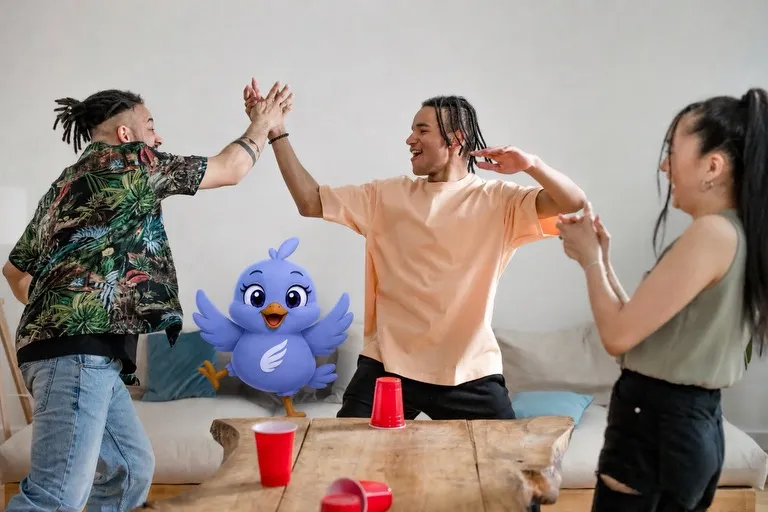
But How Can Gen Z Achieve Real-Life Connection?
This is where Flocker comes in.
Flocker is being built to provide everyone with real life connection opportunities.
You’ll be able to scroll through, find an event, meet up, or hang out that resonates with you- and just go!
Communication and scheduling within the app lets you coordinate with friends, old and new. Data protection allows you to keep your information private while you do.
Find something to do that fits your vibe, timing, and budget all through your phone.
Have an idea for an event? Create your own!
Depend on Flocker to vet events and hosts to keep you safe.
Once Flocker is up and running, everything will be there- made easy and accessible to you.
Get on your phone to get off of your phone- and into real life!
Join the waitlist today and get one step closer to connection