
There’s a popular narrative that Gen Z and millennials are somehow “worse” at friendship than previous generations.
We’re told we’re too online, too flaky, too busy, too distracted, too everything.
But that explanation falls apart pretty quickly once you actually look at how modern connection works.
Because the truth is simpler— and less insulting:
We didn’t stop valuing friendship.
Friendship just became harder to maintain in the world we live in now.
We didn’t get worse at friendship. Friendship got more complicated.
There was a time when staying close to people didn’t require coordination systems, calendar invites, or emotional preparation.
You saw your friends because your lives overlapped automatically: school, lunch tables, extracurriculars, maybe even some (presently-illusive) free time.
Generations before us had small, walkable communities crawling with neighbors, family, and friends.
Now, even getting coffee requires what feels like a full-scale scheduling negotiation leaving everyone involved emotionally drained.
So when friendships start to fade, it’s easy to assume it’s about effort or care.
But a more accurate explanation is that there are just way more hurdles in the way than there have been in the past.
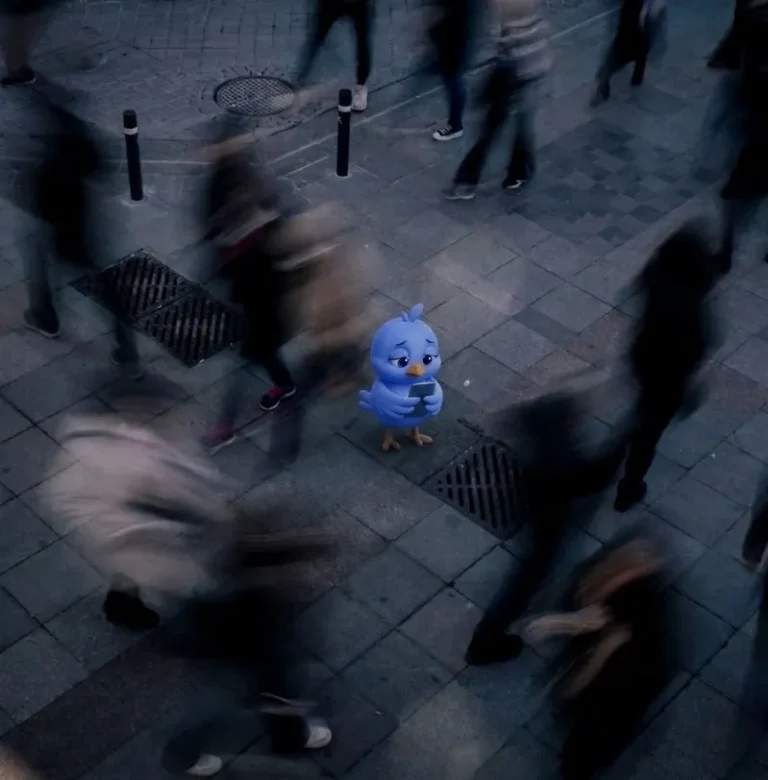
The pressure inside constant connection
A big part of modern friendship stress comes from how “always on” communication has become.
When people use mobile phones heavily in close relationships, they begin to develop expectations that they should constantly stay connected— always texting, always responding, always keeping up. Over time, this can create over-dependence, where people rely heavily on constant contact to feel connected. Research shows this kind of over-reliance actually decreases overall relationship satisfaction (Hall & Baym, 2012).
Even more interestingly, feeling “trapped”—like you’re guilted into or pressured to respond immediately to messages— is more likely to indicate dissatisfaction in relationships (Hall & Baym, 2012).
In other words, it’s not just communication that matters, but the emotional pressure attached to it.
So now we have a weird contradiction:
We’re more connected than ever…
but also more emotionally burdened by that connection than ever.
And instead of making relationships feel easier, constant digital contact can sometimes make them feel heavier.
“We’re hanging out” — but are we actually?
There’s another modern illusion that makes this even more complicated.
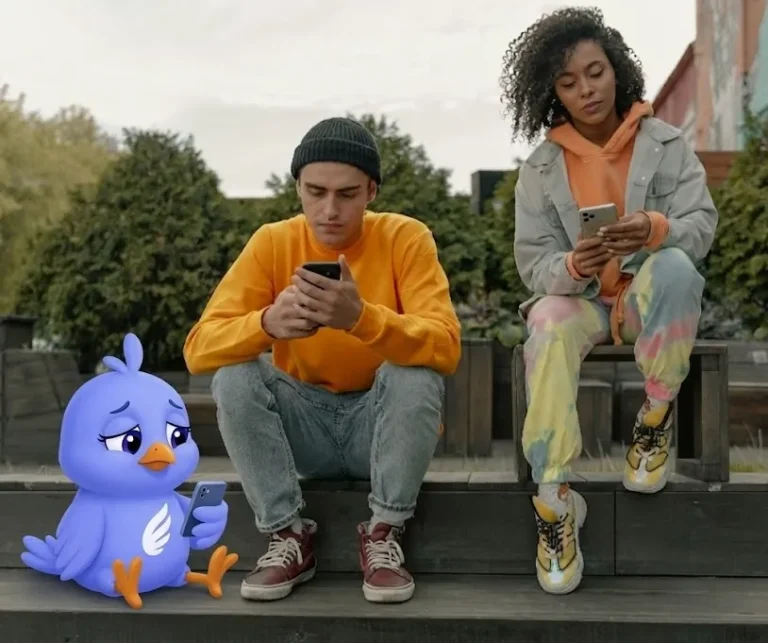
We spend so much time on social media that it can feel like we’re socially engaged; even when we’re not actually spending time with people.
But our brains don’t fully interpret it that way.
Research has found that time spent on social media is processed more like “people watching” than actual social interaction. In other words, your brain recognizes that you’re observing the lives of others, not living life with them (University of Kansas, 2016).
Scrolling through updates, reacting to posts, and sending memes can feel social—but it doesn’t replace the neurological and emotional experience of face-to-face interaction.
So, it turns out trying to slap a social media bandage over a gaping “lack of quality friendships” wound is simply not going to help.
Social media can simulate visibility.
But it doesn’t simulate presence.
And presence is what friendships actually run on.
So what actually happened to friendship?
Nothing broke.
But the environment changed in three big ways:
First, staying connected now comes with constant low-level pressure.
Second, digital interaction can feel social without fully being social.
Third, real-life time together requires more coordination than ever before.
Put together, you get a situation where:
People care deeply about their friends…
but struggle to consistently translate that care into time spent together.
And when that gap grows, people start blaming themselves.
“I’m bad at keeping up.”
“I always disappear.”
“I should be better at this.”
But this isn’t a personal failure story.
It’s a systems problem.
The myth of younger generations being “bad at friendship”
If anything, we’re over-invested in friendship emotionally.
We just live in a world where connection is constantly mediated through screens, notifications, and fragmented time.
So people end up stuck in loops like:
- feeling guilty for not replying fast enough
- responding later, then feeling even more guilty
- avoiding messages because they feel emotionally “charged”
- defaulting to passive connection instead of active time together
That’s not a lack of care. That’s emotional overload.
The real shift we need: from digital proximity to real presence
Here’s the hopeful part:
Friendship doesn’t need to be optimized or reinvented. It just needs fewer barriers between intention and action.
Because most friendships don’t end due to conflict. They fade from delay.
Not “I don’t want to see you.”
More like:
“I want to hang out… it’s just a lot right now.”
Where Flocker fits into this
This is exactly where Flocker can help— not as another digital layer, but as a bridge back to real-world connection.
Flocker is being built as a tool to reach face-to-face.
Not another way to online people watch. Not another place to doomscroll. Not another system that replaces presence with engagement.
The goal is to reduce the steps between:
“I miss my friends” and actually seeing them.
Because right now, that gap is where most friendships get lost.
Flocker is for the part of friendship that happens offline:
the soccer game in the park that gets played,
the amateur comedy night that actually comes together,
the “we should hang out” that turns into a real moment instead of a lingering intention.
It’s not about increasing screen time.
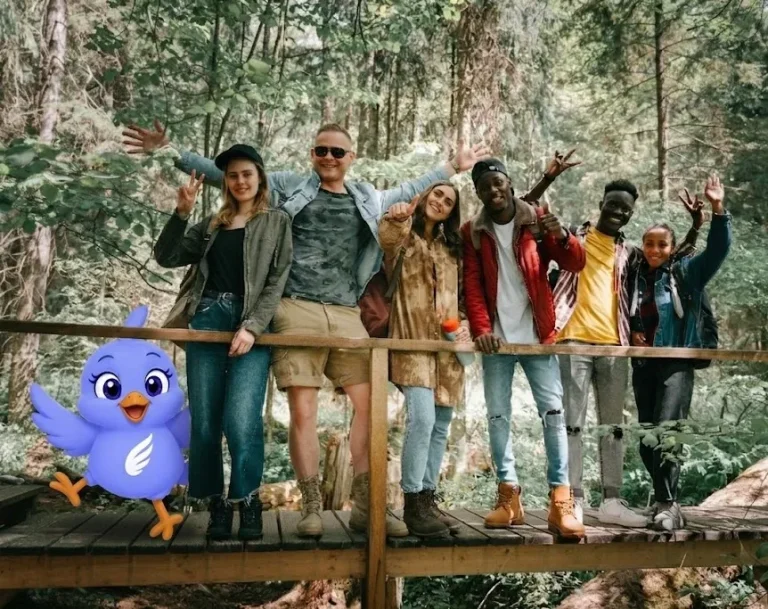
It’s about decreasing the distance between people in real life.
The bottom line
We don’t have a friendship problem. We have a getting from planning to execution problem.
We don’t need to try harder to care about each other. We need systems that make it easier to act on the care that already exists.
Because underneath all the notifications, unread messages, and half-finished plans, the desire is still the same as it’s always been:
To actually spend time with people we like.
Not just think about it. Not just message about it. But to just do it.
So, make it happen- with Flocker.
Join the waitlist today and get one step closer to friendship made easy.
References
Hall, J. A., & Baym, N. K. (2012). Calling and texting (too much): Mobile maintenance expectations, (over)dependence, entrapment, and friendship satisfaction. New Media & Society, 14(2), 316–331.
University of Kansas. (2016, August 11). We understand that social media does not equal social interaction. ScienceDaily. Retrieved June 8, 2026 from www.sciencedaily.com/releases/2016/08/160811143539.htm