
Research Study Analysis:
The Loneliness Epidemic in Young Adults
The surge in loneliness among young adults has emerged as a critical public health issue, capturing the attention and concern of mental health professionals, researchers, and policymakers alike. This growing phenomenon, often referred to as the “loneliness epidemic,” highlights the pervasive and detrimental impact of social isolation on mental health. Young adults today are facing unprecedented levels of disconnection and isolation, despite being more digitally connected than any previous generation. In recent years, the implications of this epidemic have become increasingly apparent, with numerous studies revealing the profound effects of loneliness on both physical and mental well-being. The US Surgeon General has notably addressed this crisis, emphasizing the urgent need to understand and mitigate the factors contributing to this widespread sense of disconnection. His advisory on the “Healing Effects of Social Connection and Community” underscores the importance of fostering strong, supportive relationships as a foundational element of public health.
Global Loneliness Rate by Age Group
Gallup, 2023
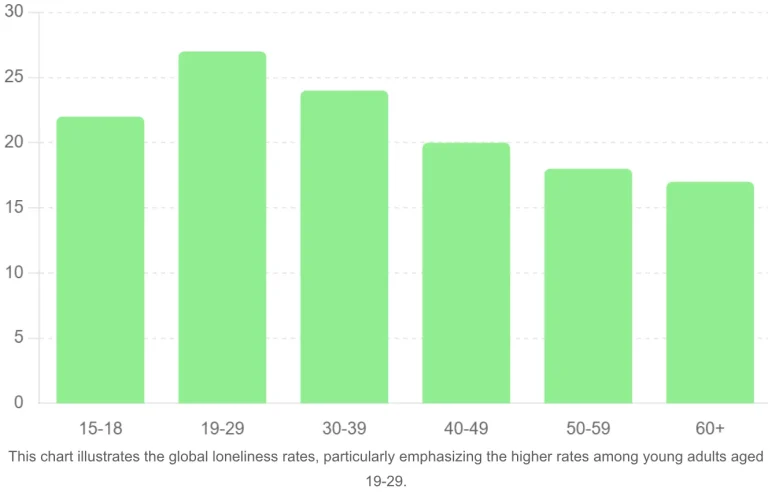
This analysis delves into the underlying causes and far-reaching consequences of the loneliness epidemic among young adults. By examining a range of sociocultural, economic, and technological influences, we aim to provide a comprehensive overview of the factors driving this crisis. Moreover, this study seeks to highlight the often-overlooked emotional and psychological toll of chronic loneliness, which can manifest in increased rates of depression, anxiety, and even physical health issues. To address these challenges, innovative solutions are being developed to bridge the gap between individuals and foster meaningful social connections. One such promising initiative is the forthcoming app, Flocker. Designed with the intention of combating loneliness, Flocker aims to leverage technology to create opportunities for genuine human interaction and community building. By facilitating face-to-face meetings and encouraging real-world social engagements, Flocker aspires to counteract the isolating effects of traditional social media platforms and offer a lifeline to those struggling with loneliness.
The Loneliness Crisis and Social Isolation
Understanding the Epidemic
Loneliness is more than just a fleeting feeling of sadness or solitude; it is a chronic condition that can have severe repercussions on an individual’s mental and physical health. The “US Surgeon General’s Advisory” underscores that social isolation and loneliness are not only personal issues but also public health crises. According to the advisory, a lack of social connection can increase the risk of premature death as much as smoking 15 cigarettes a day and is associated with a higher incidence of heart disease, stroke, anxiety, depression, and even dementia.
Causes of Loneliness in Young Adults
Young adults today face unique challenges that contribute to their increasing isolation. The rapid rise of digital communication, while providing unprecedented connectivity, often lacks the depth of face-to-face interactions. Social media platforms, for instance, can create an illusion of social engagement while simultaneously deepening feelings of loneliness and inadequacy. Additionally, life transitions such as moving for education or employment, financial pressures, and the strain of balancing personal and professional lives can further exacerbate feelings of loneliness.
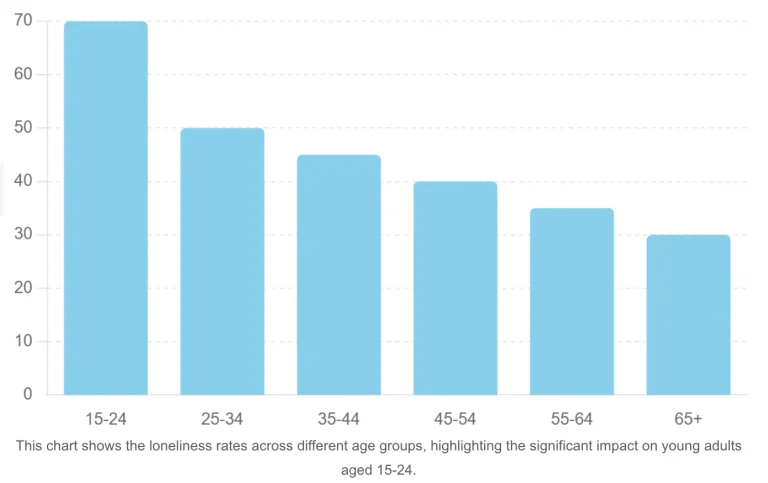
USA Loneliness Rate by Age Group
2023 U.S. Surgeon General Study
Mental Health Implications
The Impact on Mental Health
The mental health implications of loneliness are profound. The advisory notes that loneliness and social isolation can significantly elevate the risk of mental health issues, including depression, anxiety, and suicidal ideation. For young adults, who are already navigating the complexities of identity formation and personal development, these mental health challenges can be particularly debilitating.
Emotional Support and Resilience
Building emotional resilience and fostering support networks are critical in addressing the loneliness epidemic. The advisory highlights the importance of community programs and initiatives that encourage social interaction and provide emotional support. These interventions can help young adults develop coping mechanisms, build self-esteem, and foster a sense of belonging.
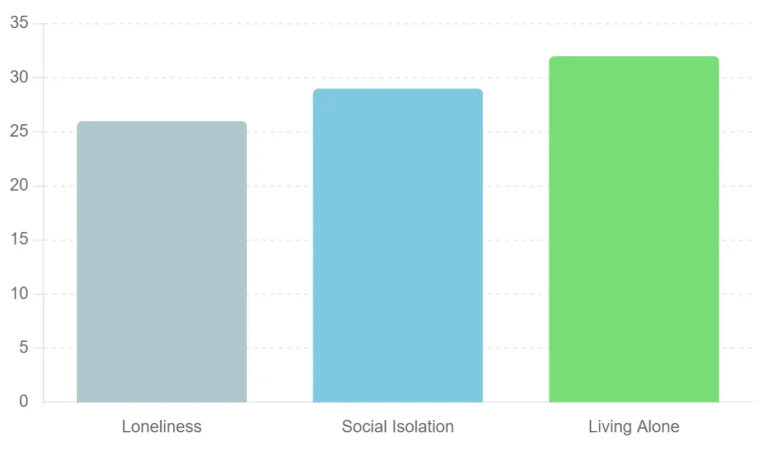
Increased Mortality Risk Associated with Loneliness and Social Isolation
Harvard University, 2023
Combating Loneliness with Strategies
Community and Social Programs
To combat loneliness effectively, community-based programs that promote social engagement and connection are essential. The advisory recommends initiatives that create inclusive environments where individuals can form meaningful relationships. Examples include support groups, community centers, and social clubs that cater to the interests and needs of young adults.
Role of Technology in Alleviating Loneliness
While technology has contributed to the loneliness epidemic, it also holds potential as a tool for connection. The advisory suggests leveraging digital platforms to facilitate real-world interactions and create supportive online communities. However, it is crucial that these technological solutions prioritize genuine social connections over superficial engagement.
The Solution: Flocker
Introducing Flocker
Amidst the growing concern over the loneliness epidemic, innovative solutions like the app Flocker offer hope. Flocker is designed to bridge the gap between digital communication and real-world social interaction. By focusing on creating opportunities for meaningful connections, Flocker aims to counteract the isolative effects of traditional social media platforms.
How Flocker Works
Flocker uses advanced technology to help users share interests and values. The app encourages users to participate in local events, meetups, and activities that foster face-to-face interactions. By promoting authentic connections, Flocker aims to build a supportive community where young adults can find better friendships.
Potential Impact of Flocker
Flocker represents a significant step forward in addressing the loneliness epidemic. By leveraging technology to facilitate genuine social connections, it aligns with the advisory’s recommendations for creating supportive and connected communities. Flocker has the potential to transform how young adults engage with one another, providing a platform for building lasting friendships and combating the pervasive issue of loneliness.
Bottom Line
The loneliness epidemic among young adults is a multifaceted issue that requires comprehensive solutions. By understanding the causes and consequences of loneliness and implementing strategies to foster social connections, we can begin to address this pressing public health crisis. The “US Surgeon General’s Advisory on the Healing Effects of Social Connection and Community” provides valuable insights and recommendations for combating loneliness. Innovations like Flocker offer promising tools to bridge the gap between digital and real-world interactions, providing hope for a more connected and supportive future.
Call to Action
Now, as we move to empower and inspire action, consider this a personal invitation to step forward and engage with your community through volunteering. Whether your interest lies in environmental conservation, mental health advocacy, or any other area, your contribution is invaluable. It’s not just about the help provided but also about the connection and growth that come from working with others toward a common goal.
Encouragement to Participate
I urge you to take that first step today. Visit a local charity, sign up for a volunteer event, or simply share your intention to volunteer with friends and family. Each journey begins with a single step, and yours could begin now.
Resources to Get Started
For those ready to begin their volunteering journey, here are a few resources to help you find the right opportunity:
- VolunteerMatch.org – Offers a wide range of volunteer opportunities across various causes, searchable by location and interest.
- Idealist.org – Connects millions of idealists – people who want to do good – with opportunities for action all over the world.
- Local Nonprofit Organizations – Many local nonprofits have websites and social media pages where they post volunteer needs. Checking these pages regularly can provide ongoing opportunities.
- City or County Websites – Often list volunteering opportunities available in community projects, local parks, and other government-run initiatives.
By engaging in volunteer work, you not only contribute to the well-being of others but also enrich your own life. With each step forward, you help to weave a stronger, more connected community. Remember, the impact of volunteering extends beyond the immediate tasks at hand—it builds bridges between individuals and fosters a culture of care and support that uplifts everyone involved. So, take that first step today and discover where it leads you and your community.