Home » Blog » Micro-Events: The Missing Layer of Social Life
Micro-Events: The Missing Layer of Social Life
Micro-Events: The Missing Layer of Social Life
There’s a quiet shift happening in how people actually socialize, especially among younger generations, and most platforms haven’t caught up to it.
What’s emerging isn’t centered around big, scheduled, ticketed experiences. It’s something smaller, faster, and far more frequent.
Call them micro-events.
What Micro-Events Actually Are
Micro-events are becoming the real unit of youth social life. Not festivals or formal parties, but the in-between moments that actually fill a week.
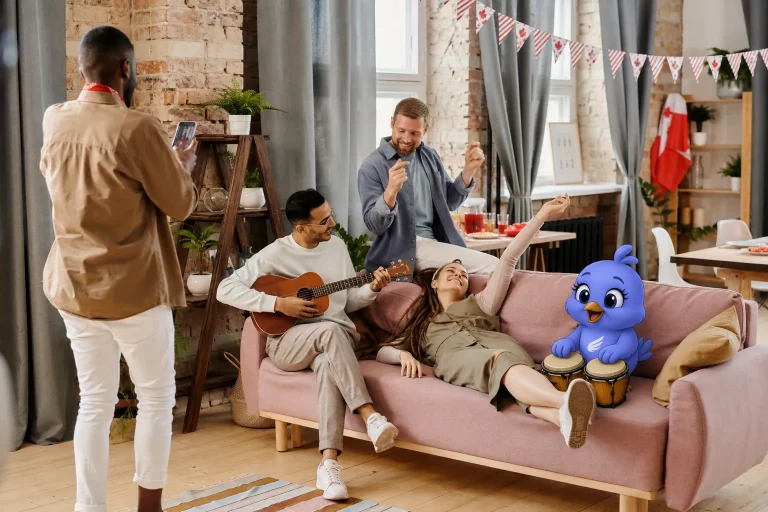
Small hangs that turn into something bigger. Rooftop soccer at sunset. Taco Tuesday that starts with two people and becomes ten. Study groups that drift into late-night conversations. Game nights that weren’t planned more than a few hours ahead. Spontaneous gatherings that exist only because someone said “pull up.”
These are the moments people actually remember. They’re lightweight, flexible, and deeply social. And yet, despite massive demand, there is no platform built for them.
The Discovery Problem
The reason is simple: micro-events don’t get listed anywhere.
They aren’t on Eventbrite. They aren’t on Facebook Events. They aren’t surfaced by TikTok, Instagram, or Snapchat. Even tools designed for local discovery miss them entirely.
Instead, they live in fragmented, closed channels—private group chats, DMs, word-of-mouth, or text threads after the fact that begin with “you had to be there.”
If you’re not already inside the right social circle, you don’t even know these moments are happening. The most socially meaningful layer of city life is effectively invisible.
That invisibility isn’t accidental. It’s structural. Existing platforms were built for broadcasting, scheduling, or consuming content—not for real-time coordination of small, fluid social moments. Micro-events don’t fit neatly into feeds or calendars. They exist in motion, not in listings.
Taken together, this defines an entire category gap: people want micro-events, but there is currently no way to discover micro-events.
What’s Actually Missing
What’s really missing is a connective layer for everyday social life. We have tools to watch people live, to post what happened, and to RSVP to large, structured events. But we don’t have a living map of what’s happening right now at the scale where most real connection actually happens.
Internet connected minds. Social connected memories.
That idea points to what this space is really about. Not more content, and not more feeds, but infrastructure that helps people connect around lived experience as it unfolds. Systems that don’t replace social life, but make it easier for it to happen in the first place.
What Flocker is Building
Flocker is working on this problem from multiple angles—because social life isn’t one-dimensional.
Among the core questions we’re trying to answer is a simple one: how can AI actually help people in their daily lives in ways that go beyond automation or entertainment? But it’s also asking broader questions about how people coordinate, discover, and remember shared experiences in the real world.
Flocker is being built so that you don’t just consume social plans—you create them.
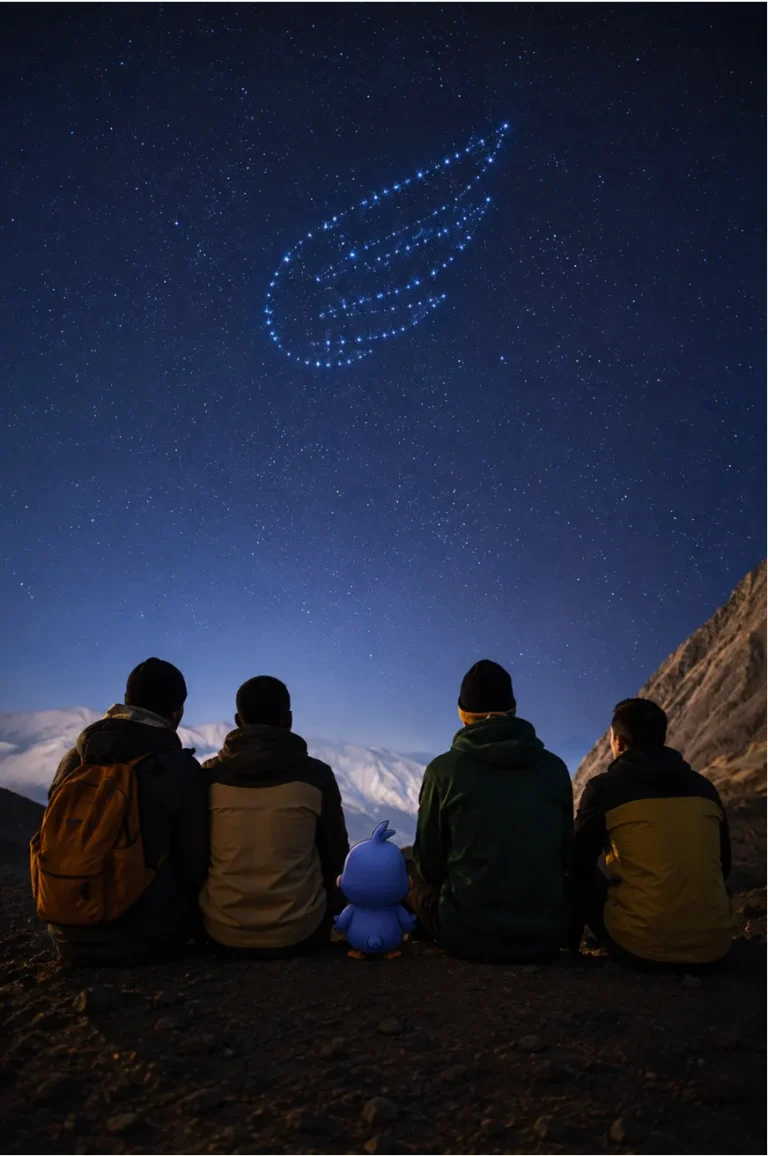
You can start micro-events instantly: “apartment jam session,” “stargazing session on Blueberry Hill,” “basketball court dance party,” or anything else that fits the moment. Then you can coordinate directly with your friends in real time. Instead of plans getting stuck in group chats, Flocker turns intent into something actionable—something people can actually join, respond to, and build together.
Beyond Micro-Events
And while micro-events are a core focus, they’re not the only thing.
Flocker also supports larger, more structured events—parties, campus events, public meetups, and anything that benefits from broader coordination and discovery. The system is designed to span the full spectrum of social life, from spontaneous hangs to organized experiences.
The Direction This Points To
The goal isn’t to replace how people already connect. It’s to make it easier for those connections to form, scale, and evolve naturally—whether they start as a two-person hang or a hundred-person event.
Micro-events aren’t a trend. They’re a correction.
A return to how people actually want to spend time together: lightly organized, locally grounded, and socially fluid.
Join the Waitlist
If this is the type of social life you’ve been waiting for, you can join the Flocker waitlist below