Home » Blog » Social Media Broke Local Communities
Social Media Broke Local Communities
Social Media Broke Local Communities
... and We All Just Kind of Just Accepted It
There was a time, not so long ago, like pre-pandemic, pre-everything-is-a-feed, when finding something to do locally required almost zero algorithmic intervention.
You just… heard about it.
A friend said “you going?” A flyer existed in the physical world like it had somewhere to be. Someone’s cousin’s roommate was throwing something and that was enough.
Now we live in the era of:
“Wait, why didn’t I see this?” (Because it was posted 14 hours ago, got 6 likes, and disappeared into the void.)
We Miss It
Social media didn’t kill local communities outright. It just made them harder to accidentally stumble into.
And “accidentally stumbling into things” used to be 80% of social life.
Now everything is scheduled, posted, optimized, boosted, or it might as well not exist.
If something doesn’t perform well online, it might as well have not happened. Which is a weird way to organize real life, but here we are.
The Feed Trap
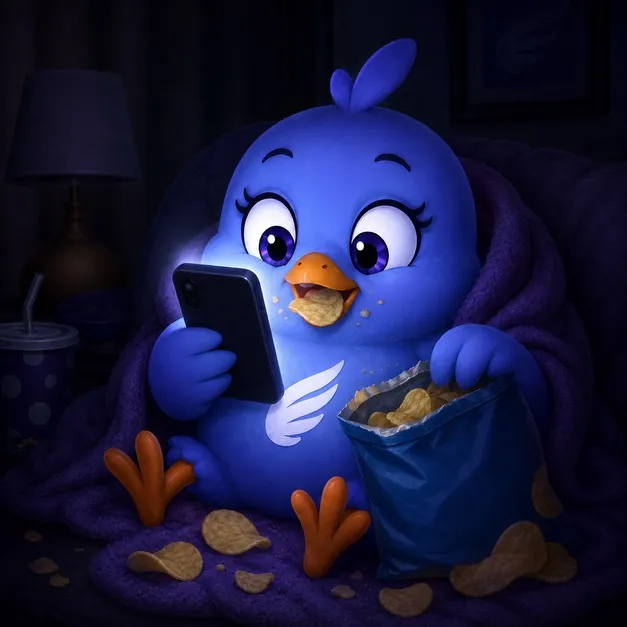
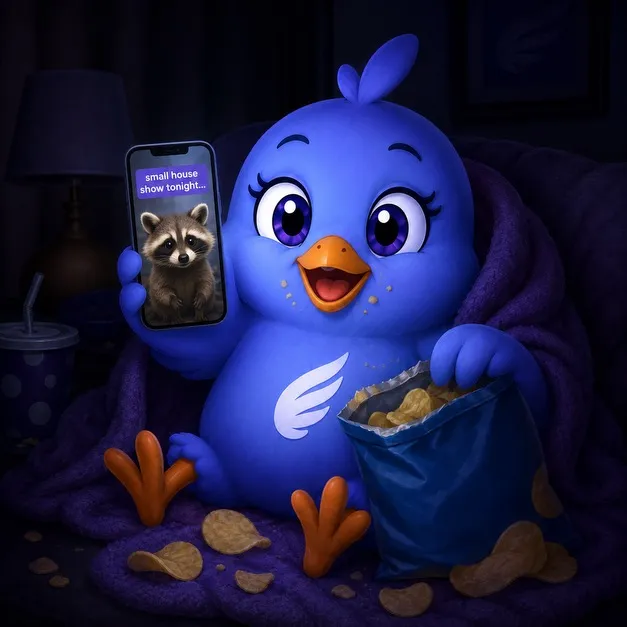
The feed is where your friend’s vacation pics appear next to a meme about washing machines, a brand is trying to sell you socks, a random video of a raccoon is emotionally altering your day.
And somewhere in there is:
“small house show tonight 10 min from you :)”
Except you missed it. Because of the raccoon. Understandably.
The problem is that social media treats events like content. And content is competing for attention against literally everything else on earth.
Then two weeks later it becomes 147 unread messages, 6 side conversations, someone trying to plan something for “sometime soon,” a poll that no one votes on, and at least one person saying “wait I thought this already happened.”
Group chats are great at maintaining existing energy, but not great at turning “maybe” into “actually showing up in public wearing pants.”
Showing Up
Going out used to be simple: something is happening nearby, you hear about it, you go.
Now it’s: someone posts it, the algorithm decides if you deserve to know, you see it 2 days later, it already happened, you say “damn, that looked fun” like it’s a Netflix show you missed… except you can’t binge watch it after the fact.
We turned real life into a spoiler feed for events we didn’t even know we cared about.
How Flocker Helps
Flocker exists because we were tired of the “I would’ve gone if I knew” problem.
It is built around a very simple idea:
If something is happening near you, you should actually know about it in time to go, not buried under engagement metrics, not lost because it didn’t “perform,” not dependent on someone remembering to spam it in five different group chats like they are doing digital door-to-door sales.
Flocker helps events show up to the right people nearby, people who might actually show up, not just tap like and disappear forever.
Not Just More Stuff
We don’t need more fluff events happening. Events that exist just to be posted about on social. We need more visibility for the quality, community building events that are already happening and space for real people to make their own.
We already have pop-ups, house shows, meetups, random “my friend is DJing tonight” situations, and at least 14 events you only learn about after they end.
What we are missing is visibility that actually matches real life timing.
Because an event you find out about after it happens just contributes to your ever-compiling, getting heavier-by-the-day FOMO feeling.
Just: “You Down?”
Flocker is not trying to turn every event into a viral moment.
It is trying to get back to something way more useful: “Yo, this is happening nearby. You in?”
That is it.
No performance pressure, no algorithm gymnastics, no hoping your post survives the 3-minute attention window before someone posts their new miracle weight loss hack (“link in bio for my exclusive referral code”).
Still Here
People still want to go out, meet other humans in the wild, do something spontaneous that isn’t pre-approved by five platforms.
People still say “we should do something” and mean it, at least for 6–12 business hours.
The issue is not interest. It is coordination.
And right now, coordination is scattered across apps that were never really designed to get you off your couch.
The Point
Social media did not kill local communities.
It just made them easy to miss.
Flocker exists for the moments you almost went to but never saw in time.
Because “I didn’t know” is honestly the most preventable excuse in social life, and also the most common.
Join In
Flocker is still in the works, but we’re building it for exactly this problem: making local events actually visible in time to matter.
If this resonates, join the waitlist and be one of the first to find your flock.